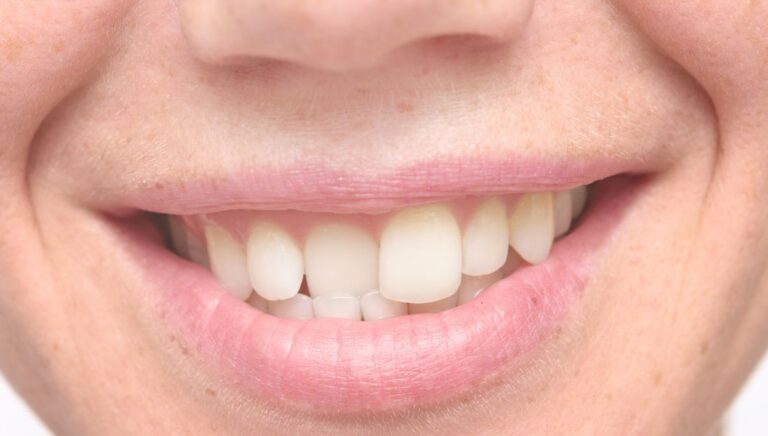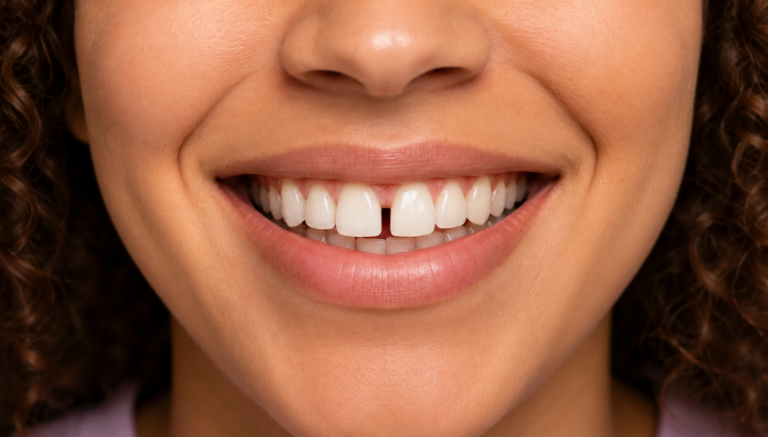
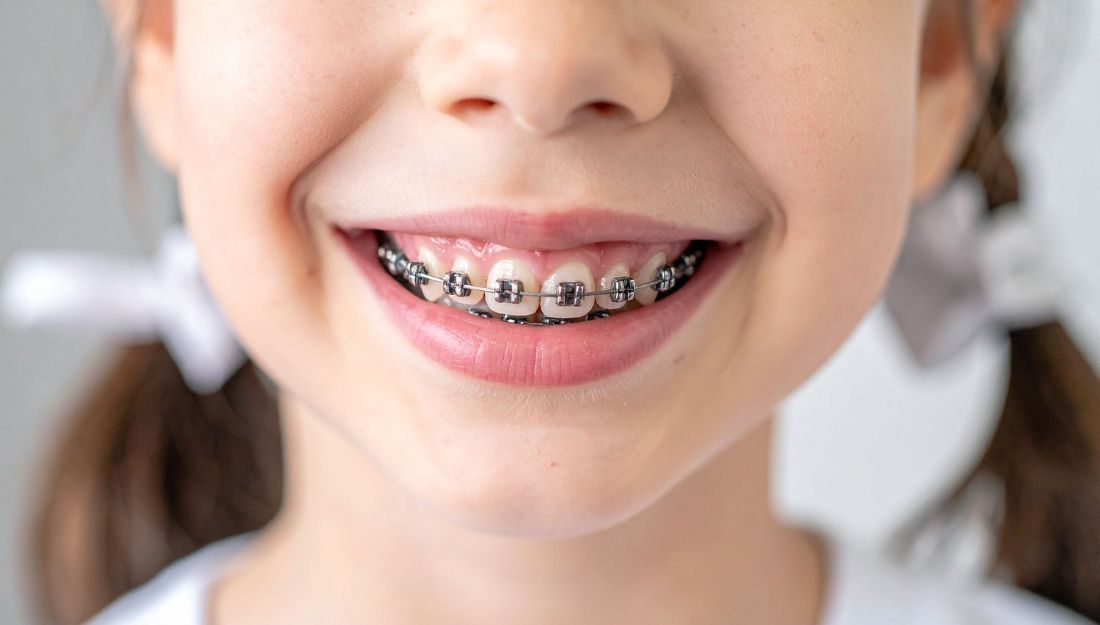
Braces on a child who still has baby teeth strikes most parents as premature. The teeth aren’t all in yet. Some of them are going to fall out. Why would anyone start now?
It’s a fair question, and for the majority of children the answer is that nobody should. Most kids are best served by waiting until the permanent teeth have arrived and then straightening them in one round of treatment. Early treatment exists for a smaller group whose situations respond to something a later start can’t accomplish, and the distinction rests on what’s actually being treated.
Two Different Jobs
Orthodontic treatment does two related but separate things. It moves teeth, and it influences how the jaws grow.
Moving teeth is possible at essentially any age. Adults have braces and aligners constantly and get excellent results, because bone remodels around teeth throughout life.
Guiding jaw growth is different. It depends on growth still happening. The upper jaw, for instance, is formed from two halves joined by a suture down the middle that doesn’t fuse until adolescence. While that suture is open, widening a narrow upper jaw is a relatively straightforward matter. After it fuses, achieving the same change becomes a considerably larger undertaking.
Phase 1 treatment is aimed at that second job. It happens during a window when the skeleton is still developing, and once that window closes, some corrections move from simple to complicated.
Why Around Age Seven
The recommendation from orthodontic organizations is an evaluation by about age seven, and that number isn’t arbitrary.
By seven, a typical child has their first permanent molars and their permanent front incisors. That’s enough of the permanent dentition to reveal how the bite is developing. An orthodontist can see how the back teeth meet, whether there’s room for the teeth still to come, whether the upper and lower jaws are proportioned to each other, and whether the midlines line up.
The evaluation isn’t a commitment to treatment. Both Dr. Jarosz and Dr. Valente are board certified Diplomates of the American Board of Orthodontics, and a substantial part of what they do at these early appointments is tell parents that nothing needs doing yet and they’ll check again in a year. Monitoring a child through the mixed dentition years takes nothing more than a periodic look, and it means that if a window is going to matter, it gets caught while it’s open.
What Phase 1 Actually Treats
The situations that genuinely benefit tend to fall into a recognizable set.
- Crossbite. When upper teeth sit inside the lower teeth rather than outside them, the jaw often shifts to one side to find a comfortable bite. Left through the growth years, that shift can influence how the lower jaw develops. Widening the upper jaw while the suture is open corrects it directly.
- Severe crowding with no room coming. If the arch clearly can’t accommodate the permanent teeth waiting underneath, creating space early can prevent teeth from erupting in badly displaced positions or becoming impacted.
- Protruding upper front teeth. Front teeth that stick out well beyond the lower ones are markedly more likely to be injured in a fall or a sports collision. Reducing that protrusion during the elementary years reduces a real risk during the years children are most active.
- Underbite. Lower teeth sitting ahead of the upper teeth is one of the more time-sensitive findings, because addressing it depends heavily on growth that hasn’t finished.
- Habits affecting the bite. Thumb sucking or tongue thrusting continuing past the age when permanent teeth arrive applies steady pressure that shapes the developing bite. Interrupting the habit early prevents changes that would otherwise need correcting later.
- Teeth erupting off course. Some permanent teeth head in the wrong direction, occasionally toward the root of a neighboring tooth. Redirecting them early protects teeth that are already in place.
- Early loss of baby teeth. When a baby molar is lost well ahead of schedule, neighboring teeth drift into the space that was being held for a permanent tooth. Holding that space open keeps the problem from compounding.
How the Two Phases Fit Together
Phase 1 typically runs somewhere between six and eighteen months, depending on what’s being corrected, and it usually involves a limited appliance rather than a full set of braces. An expander, a space maintainer, a habit appliance, or partial braces on a few teeth are all common.
Then treatment pauses. This resting period surprises parents, but it’s the point of the whole approach. The remaining baby teeth fall out on their own schedule, the permanent teeth come in, and the child is seen periodically to watch how things settle. That stretch often lasts a couple of years.
Phase 2 comes later, in the early teens, once the permanent teeth are all present. This is the more familiar round of treatment, with braces or aligners aligning everything into final position. Because the skeletal issues were handled earlier, Phase 2 is frequently shorter and simpler than the single round of treatment would have been.
Being honest about the tradeoff matters. Two phases means more total time in treatment than one. What it buys is corrections that were straightforward at eight and would have been difficult at fourteen. For a child with a crossbite or a developing underbite, that’s a worthwhile exchange. For a child whose only issue is crooked front teeth, it isn’t, and recommending it anyway would be poor practice.
Signs Worth an Evaluation
Parents often notice something before a dentist mentions it. These are the observations most worth acting on.
- Your child’s jaw shifts to one side when they bite down
- The lower front teeth sit ahead of the upper ones
- Front teeth protrude noticeably
- Baby teeth were lost unusually early or are being kept unusually late
- Permanent teeth are coming in visibly out of position
- Thumb sucking has continued past around age five
- Your child breathes through their mouth much of the time
- Chewing or biting into food seems difficult
- Teeth don’t meet at all when the back teeth are closed
None of these guarantees treatment is needed. All of them are reasons to have someone look.
Booking a Look in Arlington Heights or Deerfield
An early evaluation is a short appointment with a specific purpose: to determine whether your child’s bite is developing normally and whether any timing-sensitive issue is present. Most families leave hearing that everything looks fine and they should come back in a year, which is a genuinely useful thing to know.
Jarosz and Valente Orthodontics sees children at both the Arlington Heights and Deerfield offices, and there’s no referral needed to schedule an evaluation. If your child is around seven, or if something on the list above sounds familiar, having it checked while the growth window is open gives you options that narrow later. Families throughout Arlington Heights and Deerfield are welcome to reach out and get a clear read on where things stand.