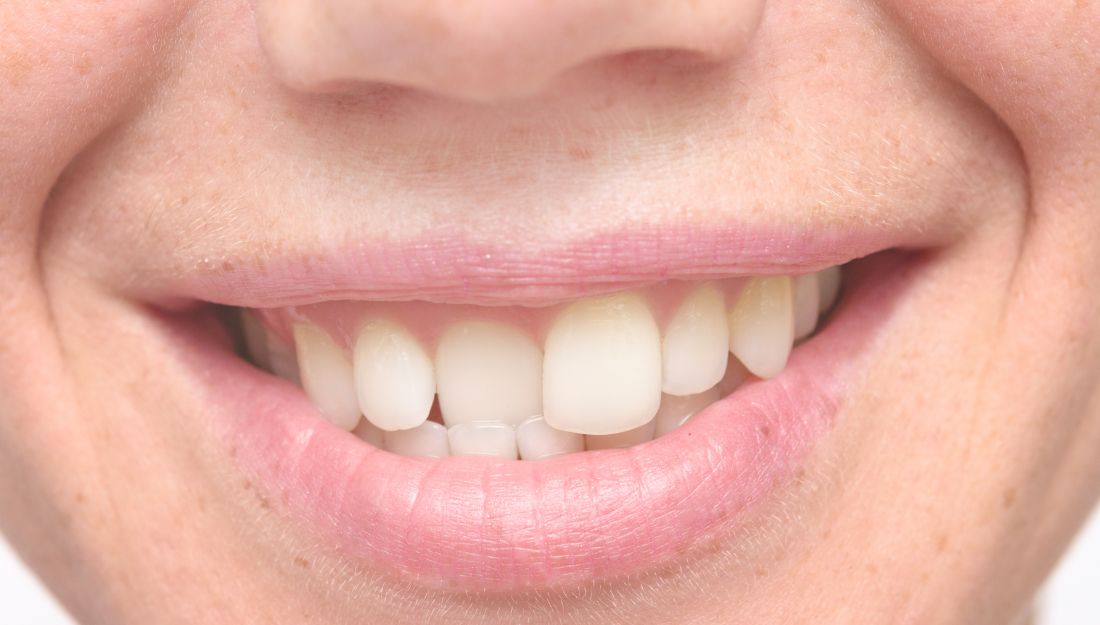
You’re brushing one morning and something looks different. The bottom front teeth have started to overlap, or a small gap has opened where there wasn’t one before.
For anyone who wore braces as a teenager, this is particularly frustrating. Wasn’t that supposed to be permanent?
The honest answer is that teeth were never going to stay perfectly still, and understanding why makes it much easier to do something about it. At Jarosz & Valente Orthodontics, with offices in Arlington Heights and Deerfield, Drs. Jarosz and Valente are both board-certified diplomates of the American Board of Orthodontics, and this comes up with adult patients constantly.
Teeth Are Designed to Move
Here’s the thing most people don’t realize: teeth aren’t cemented into the jaw. They sit in bone, suspended by a network of fibers that allows slight movement, and they respond continuously to the forces acting on them.
That responsiveness is exactly what makes orthodontics possible. Apply gentle, sustained pressure and teeth relocate. The catch is that the same mechanism doesn’t switch off when treatment ends. Everyday forces keep acting on your teeth for the rest of your life, and over decades, they add up.
What Drives the Shifting
Several things contribute, usually in combination:
- Natural drift toward the front. Teeth tend to migrate slowly forward over time, which is why lower front crowding is the single most common complaint adults bring in.
- Jaw changes. The jaw continues to change subtly throughout adulthood, and the teeth adjust along with it.
- Gum and bone health. Teeth are only as stable as the bone holding them. When periodontal disease reduces that support, teeth move more readily.
- A missing tooth. When a tooth is lost and not replaced, neighbors drift into the space and the tooth above or below can drift down into it, starting a chain reaction.
- Grinding and clenching. Sustained pressure, night after night, nudges teeth out of position.
- Stopping retainer wear. For anyone who’s had braces, this is the most common cause by a wide margin.
The Retainer Question
Since that last point accounts for so much adult shifting, it deserves its own explanation.
When braces or aligners finish moving your teeth, the teeth are in position but the surrounding bone and fibers haven’t caught up. Those tissues remember the old arrangement and pull toward it, and they hold that memory far longer than most patients are told. This is the entire job of a retainer: holding the new position while the surroundings settle, and continuing to hold it afterward.
The common misunderstanding is that retainers are a temporary post-braces accessory, worn for a year or so and then retired. In practice, teeth drift for as long as you have them, so retention is meant to be a long-term habit, even if the required wear time drops off considerably.
If your retainer no longer fits, disappeared years ago, or sits in a drawer somewhere, it’s worth checking in rather than letting the drift continue. Getting back on track is usually simpler than people assume.
Why It Matters Beyond Appearance
The cosmetic change is what people notice, but it’s not the whole story.
Crowded teeth create tight overlaps that floss struggles to reach, and those spots become reliable locations for cavities and gum inflammation. A bite that’s drifted out of alignment also distributes chewing force unevenly, which wears certain teeth faster than others and can strain the jaw.
So shifting tends to be self-reinforcing. Crowding makes cleaning harder, harder cleaning affects gum health, and declining gum health lets teeth move more freely still.
What You Can Do About It
Prevention comes down to a few things: wear your retainer, keep your gums and supporting bone healthy through consistent care and regular checkups, address grinding if you do it, and replace missing teeth so neighbors don’t wander.
If your teeth have already moved, they can be moved back. Healthy teeth respond to orthodontic treatment at almost any age, and adults now make up a substantial share of orthodontic patients.
Traditional braces remain reliable and versatile, particularly for more involved cases. For many adults dealing with the kind of mild to moderate shifting described here, clear aligners such as ClearCorrect are a strong fit, using a series of nearly invisible removable trays that work around a professional life without announcing themselves. Which approach makes sense depends on how far things have moved, and that’s a straightforward thing to assess.
What Treatment Looks Like for Adults
Two questions come up immediately, so it’s worth answering them plainly.
How long does it take? It depends on how far the teeth have drifted. Correcting mild crowding that developed over a decade is a considerably shorter project than comprehensive treatment. Adult bone is more mature and responds a little more gradually than a teenager’s, but the difference is usually smaller than people expect.
Is anything different for adults? A few things. Existing dental work such as crowns and bridges factors into the planning. Gum health matters more, since teeth can only be moved safely through healthy bone, so any periodontal issues are typically addressed first or alongside treatment. And adults tend to have clear opinions about visibility, which shapes the recommendation.
None of these are obstacles. They’re just reasons the plan gets built around your mouth as it is today rather than a generic template.
It’s Not Too Late
Noticing your teeth have shifted is frustrating, but it’s also one of the most common and most treatable concerns adults bring to an orthodontist. Whether you want to recover a result you had years ago or stop a small change from becoming a larger one, an evaluation is the sensible starting point.
Keep Your Smile on Track in Arlington Heights and Deerfield
Teeth shift for reasons largely outside your control, but what happens next isn’t. Jarosz & Valente Orthodontics in Arlington Heights and Deerfield would be glad to take a look and walk you through your options. Reach out to schedule a consultation at the location nearest you.