When people think about straightening their teeth, they usually picture the cosmetic payoff: a more even, confident smile. That is a wonderful result, but it is only part of the story. How your teeth fit together, what dentists call your bite, affects far more than appearance. At Jarosz & Valente Orthodontics, with offices in Arlington Heights and Deerfield, Drs. Jarosz and Valente are both board-certified diplomates of the American Board of Orthodontics, and they look at the whole picture. Here is what crowded, gapped, or crooked teeth may be telling you.
What a “Bite” Really Means
Your bite, or occlusion, is the way your upper and lower teeth come together when you close your mouth. In an ideal bite, the teeth meet evenly, the jaw is comfortable, and chewing and speaking happen without strain. When teeth are crowded, spaced, or out of alignment, that balance is thrown off, and the effects can reach well beyond how your smile looks.
Common Bite and Alignment Issues
Orthodontic concerns come in several familiar forms, and many people have more than one:
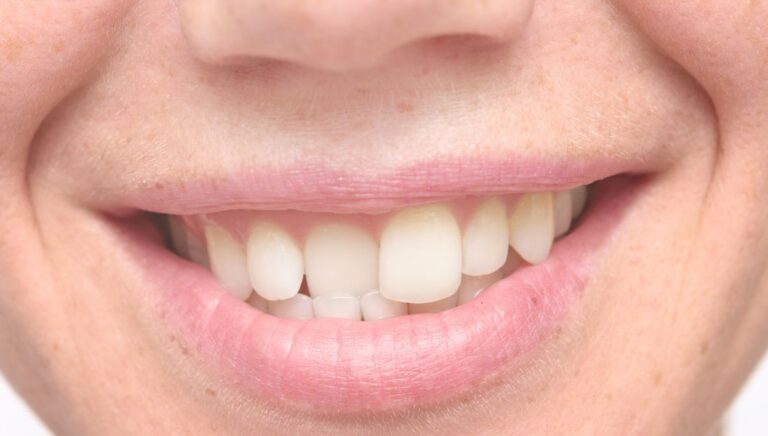
- Crowding. Too little room for the teeth, causing them to overlap or twist. Crowded teeth are harder to clean thoroughly.
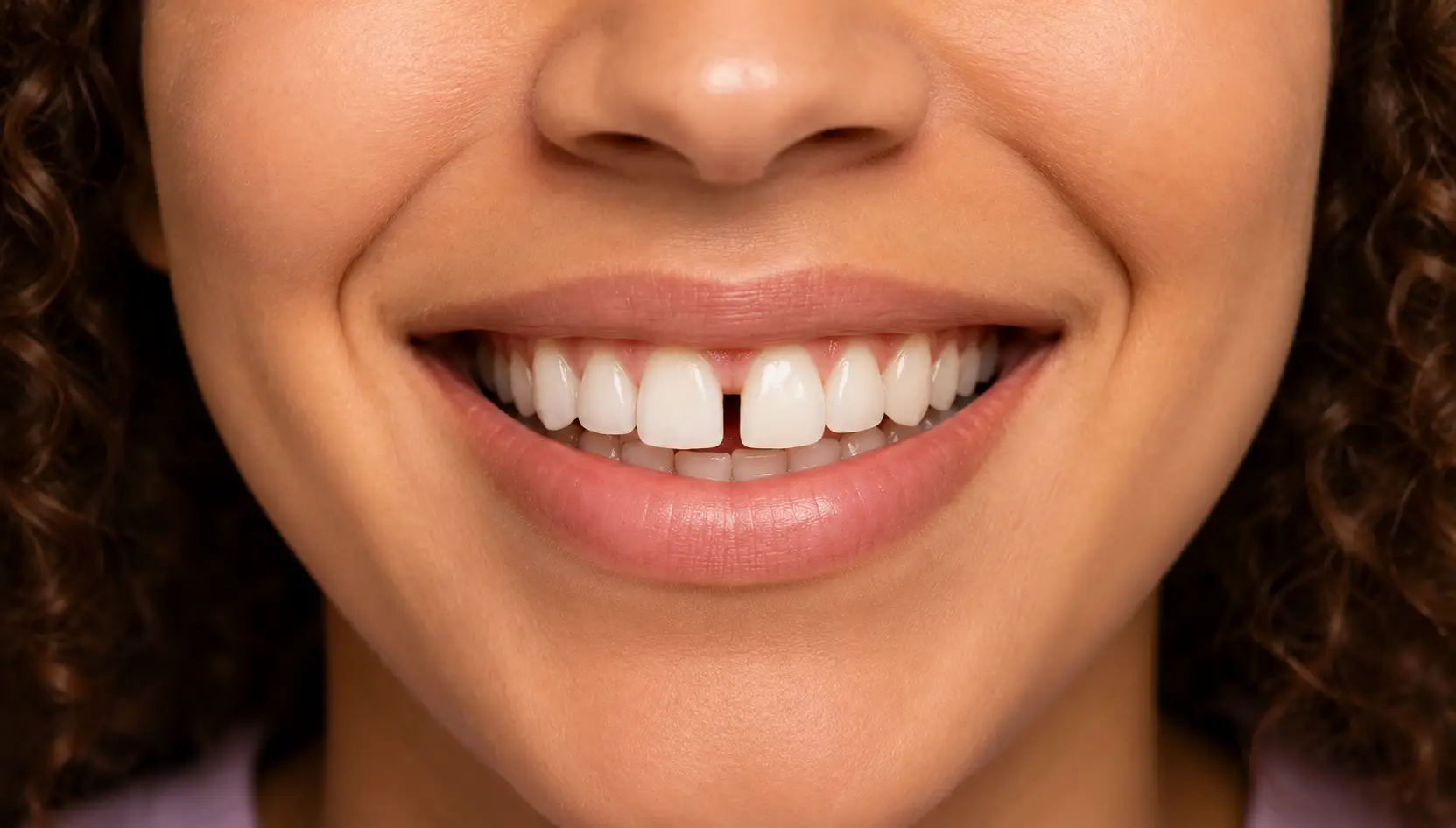
- Spacing or gaps. Extra space between teeth, which can affect both appearance and the way food collects.
- Overbite. The upper front teeth extend well beyond the lower ones.
- Underbite. The lower teeth sit in front of the upper teeth.
- Crossbite. Some upper teeth close inside the lower teeth rather than outside them.
- Open bite. The upper and lower teeth do not meet when the mouth is closed.
Why Your Bite Matters Beyond Appearance
An off-balance bite quietly creates problems over time. Crowded or overlapping teeth are difficult to brush and floss completely, which raises the risk of cavities and gum disease in the hard-to-reach spots. A misaligned bite can cause teeth to wear unevenly, wearing down some surfaces faster than others. It can also place extra strain on the jaw muscles and joints, which for some people contributes to soreness or headaches. Alignment can even affect how clearly you speak and how comfortably you chew. None of these are reasons to panic, but together they explain why orthodontists look at function, not just looks.
How Orthodontic Treatment Helps
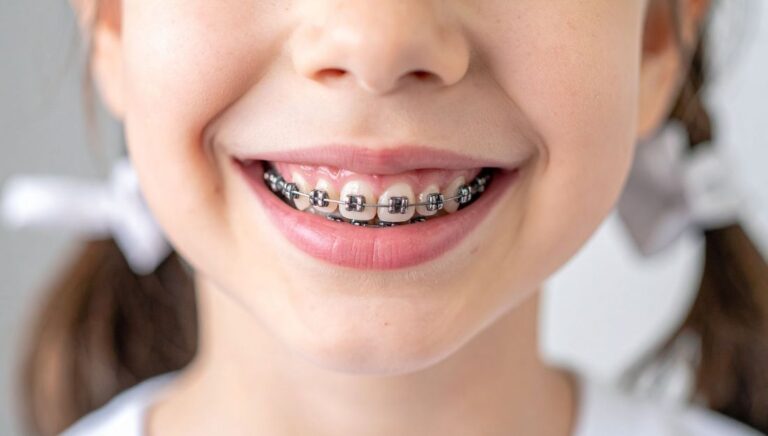
The encouraging part is that these issues are highly treatable, and modern orthodontics offers more than one path. Traditional braces remain an excellent, versatile option, especially for more complex cases. For many patients who prefer a more discreet approach, clear aligners such as ClearCorrect gently guide teeth into position using a series of nearly invisible, removable trays. The right choice depends on your specific bite, your goals, and your lifestyle, which is something an orthodontist can map out with you after an evaluation.
It Is Not Just for Teens
Orthodontic care is often associated with the teenage years, and early treatment can be valuable for catching issues while a child is still growing. But healthy teeth can be moved at almost any age, and a growing number of adults are choosing to address bite and alignment concerns they have lived with for years. Whether for yourself or your child, it is rarely too late to improve both the health and the appearance of your smile.
Find Out What Your Bite Is Telling You in Arlington Heights and Deerfield
Crowded, gapped, or crooked teeth are about more than a photo. They affect how well you can care for your teeth and how comfortably your smile works every day. If you are curious about what your bite is telling you, Jarosz & Valente Orthodontics in Arlington Heights and Deerfield can give you a clear picture and walk you through your options. Reach out to schedule a consultation at the location nearest you.