Here’s a statistic that surprises most people: nearly one in three orthodontic patients today is an adult. Not a teenager counting down the days until their braces come off. A working, bill-paying adult who made the decision to straighten their teeth on their own terms. And that number keeps climbing.
The easy assumption is that this is all about vanity. And sure, wanting a better smile is a perfectly valid reason to pursue treatment. But it’s only a small part of what’s driving this shift. The real story is bigger and more practical than most people realize. The technology has changed, the options have changed, and our understanding of how bite alignment affects long-term health has changed. This isn’t a trend fueled by social media. It’s a shift driven by better science and better access.
The Real Reasons Adults Are Seeking Treatment
For many adults, the decision to see an orthodontist has nothing to do with how their smile looks in photos. It starts with a problem they’ve been living with for years and finally want to solve.
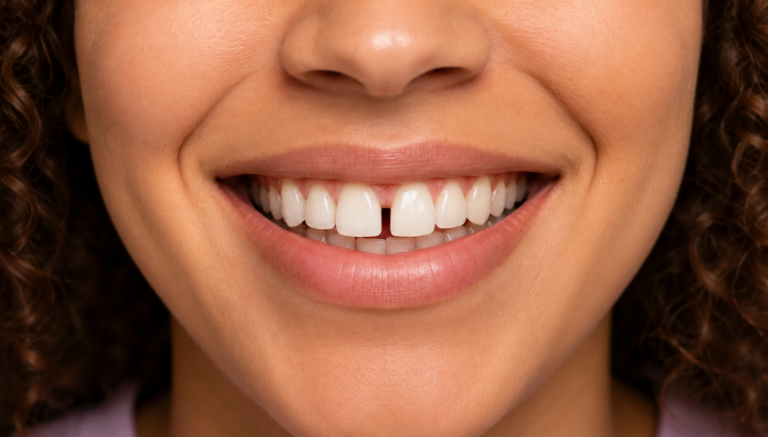
Dental issues that compound over time. Crowded or misaligned teeth are harder to brush and floss properly. Over the years, that difficulty leads to more cavities, more gum inflammation, and uneven wear on tooth surfaces. Many adults don’t connect their recurring dental problems to an alignment issue that was never addressed.
Jaw pain and chronic headaches. When your bite doesn’t line up correctly, it places uneven stress on the jaw joint. Adults who have dealt with clicking, popping, facial tension, or unexplained headaches for years often discover that orthodontic treatment targets the root cause rather than just managing symptoms.
Teeth that have shifted since adolescence. Even adults who had braces as teenagers frequently find that their teeth have gradually drifted back out of alignment, especially if the retainer didn’t stick as a long-term habit. Re-treatment as an adult is extremely common and typically moves faster than the original round.
Preparation for other dental work. Dentists are increasingly recommending orthodontic treatment before placing implants, crowns, or veneers. Correcting the alignment first leads to better-fitting restorations, a more balanced bite, and results that last significantly longer.
Breathing and sleep quality. A growing body of research links bite alignment and jaw positioning to airway health. Some adults pursue treatment, particularly palatal expansion, as part of a broader plan to improve snoring or mild sleep apnea. This is one of the most exciting areas of development in modern orthodontics.
What Changed: Why Adults Weren’t Doing This 20 Years Ago
The surge in adult patients isn’t simply because more people suddenly care about their teeth. The barriers that used to keep adults out of the orthodontist’s office have been dramatically lowered.
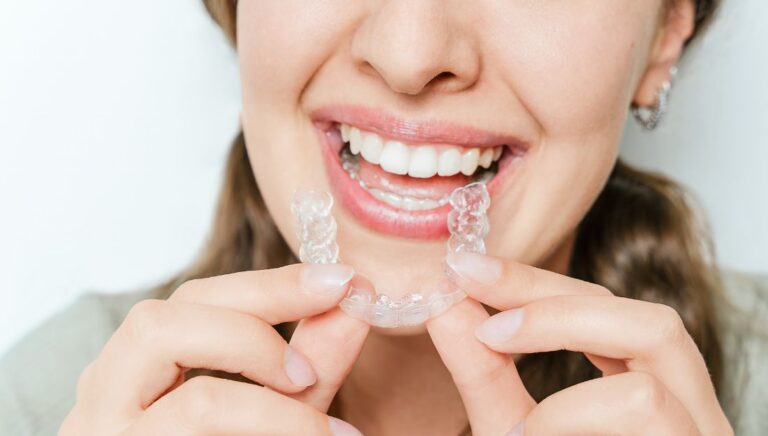
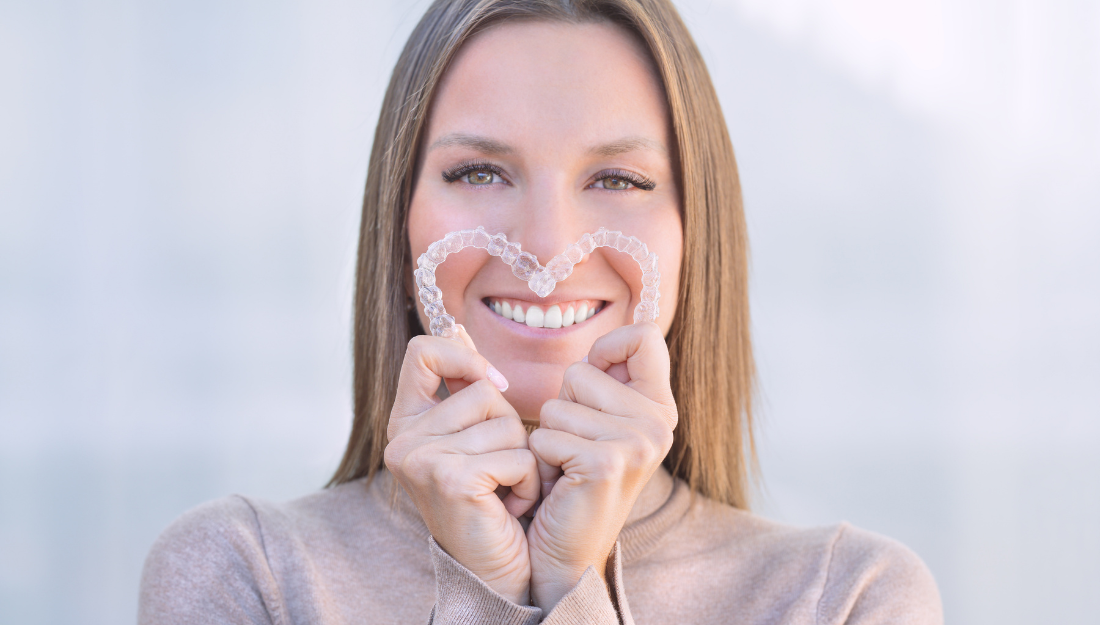
Clear aligners changed everything. The development and rapid improvement of clear aligner systems like ClearCorrect gave adults a discreet treatment option that fits comfortably into professional and social life. For many adults, traditional metal braces were simply a non-starter. Clear aligners removed that objection entirely.
Fewer office visits are required. Remote monitoring technology and AI-powered treatment tracking now allow orthodontists to manage progress with far fewer in-person appointments. For busy adults balancing work and family obligations, that flexibility is a genuine game-changer.
Treatment times have gotten shorter. Advances in digital treatment planning, accelerated techniques, and more precise appliances mean that many adult cases can be completed in 12 to 18 months rather than the two-to-three-year timelines that were once standard.
Payment options have expanded. Flexible financing, monthly payment plans, and broader insurance coverage for adult orthodontics have made treatment accessible to a much wider range of people. Cost is still a real consideration, but it’s no longer the automatic deal-breaker it used to be.
The stigma has faded. There’s simply less social awkwardness around adult orthodontics than there once was. Seeing coworkers, friends, and public figures wearing aligners or braces has normalized the idea that taking care of your teeth is a lifelong pursuit, not something you age out of after high school.
“Am I Too Old for This?”
This is the most common question adults ask, and the answer is almost always no.
Healthy teeth can be moved at any age. The biological process of bone remodeling that makes orthodontic movement possible works the same way whether you’re 15 or 55. The determining factor isn’t the number on your driver’s license. It’s the health of your bone and gums.
That said, there are some realistic differences. Adult treatment may involve a bit more coordination with your general dentist or periodontist, particularly if you have existing dental work or gum health considerations. In some cases, treatment takes slightly longer because adult bone is denser than adolescent bone. But these are manageable variables, not roadblocks.
The better question to ask yourself is this: would you rather spend the next 20 or 30 years with teeth that are increasingly difficult to maintain, a bite that’s causing uneven wear, and alignment issues that will only become more pronounced with time? Orthodontists regularly treat patients in their 50s, 60s, and even 70s with consistently positive results when the treatment plan is tailored appropriately.
What Adult Treatment Actually Looks Like Today
If you’re curious but haven’t taken the first step, here’s what the process typically involves.
Most orthodontists offer a free or low-cost initial consultation. You’ll get digital scans of your teeth (no goopy impression trays), 3D imaging of your bite, and a clear explanation of what treatment would look like before you commit to anything.
When it comes to treatment options, clear aligners like ClearCorrect are the most popular choice among adults. But they’re not the only path. Ceramic braces, lingual braces that sit behind the teeth, and even modern metal brackets all have a role depending on the complexity of your case. A good orthodontist will recommend the best tool for your specific needs, not just the most trendy option.
Day to day, most adults in clear aligners find that treatment fits into their routine without much disruption. You remove the aligners to eat, brush your teeth normally, and the vast majority of people around you won’t notice you’re wearing them. Office visits are typically every six to ten weeks, and many routine check-ins can now be handled remotely through smartphone scans.
One thing worth emphasizing: the retainer phase after active treatment is just as important as the treatment itself. This is where many adults went wrong the first time around. A solid retention plan is what keeps your results stable for life, and your orthodontist should talk you through it in detail.
An Investment That Pays Off for Decades
The reason one in three orthodontic patients is now an adult isn’t because of a passing trend. It’s because adults are recognizing that alignment affects function, comfort, and long-term dental health in ways that extend far beyond how their smile looks.
Starting orthodontic treatment as an adult does take initiative. Nobody is scheduling this appointment for you. But it has also never been more straightforward, more efficient, or more accessible than it is right now. If you’ve been thinking about it, the best next step is the simplest one: schedule a consultation, ask your questions, and find out what your specific options look like. Many people are genuinely surprised to learn that their case is simpler and more affordable than they expected.
Your teeth have to last the rest of your life. Getting them into the right position now is one of the most practical investments you can make in your long-term oral health, your everyday comfort, and yes, your confidence too.